
Healthcare Systems and Medical Technology
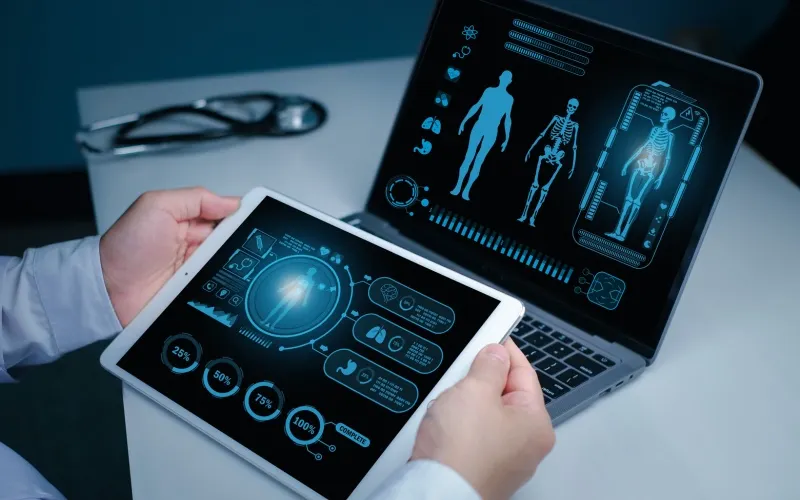
Healthcare systems worldwide rely increasingly on medical technology to improve patient care and treatment outcomes. Hospitals and clinics adopt advanced diagnostic equipment, digital records, and telemedicine services that enhance healthcare delivery.
Electronic health records allow doctors to access patient histories quickly and coordinate treatment plans with other specialists. These digital systems improve communication between healthcare providers.
Medical imaging technologies such as MRI and CT scans allow doctors to detect diseases earlier and diagnose conditions more accurately. Early detection significantly improves treatment success rates.
Telemedicine platforms allow patients to consult healthcare professionals remotely. This technology is particularly valuable for individuals living in rural areas where medical facilities may be limited.
Medical research institutions continue developing new therapies, vaccines, and treatment techniques. Collaboration between scientists, healthcare providers, and pharmaceutical companies accelerates innovation.
Healthcare technology ultimately improves patient experiences, reduces treatment delays, and increases access to medical services across global communities.